Thyroid Management Program in Pakistan: Diet, Exercise, and Lifestyle Guidance for Hypothyroidism
Thyroid disorders are widespread in Pakistan, and many people live with them for years without a clear diagnosis. Persistent fatigue, unexplained weight gain, hair fall, dry skin, and low mood are often dismissed as stress or ageing. Women are affected more often than men, and hypothyroidism (an underactive thyroid) is the most common form.
At Fitoo.pro, we support people living with thyroid conditions through personalized nutrition, structured exercise, and ongoing coaching that works alongside medical treatment. This article explains how the thyroid affects weight and energy, which lifestyle strategies help, and how Fitoo's 3-month and 6-month programs provide structured support.
What Is the Thyroid and What Does It Do?
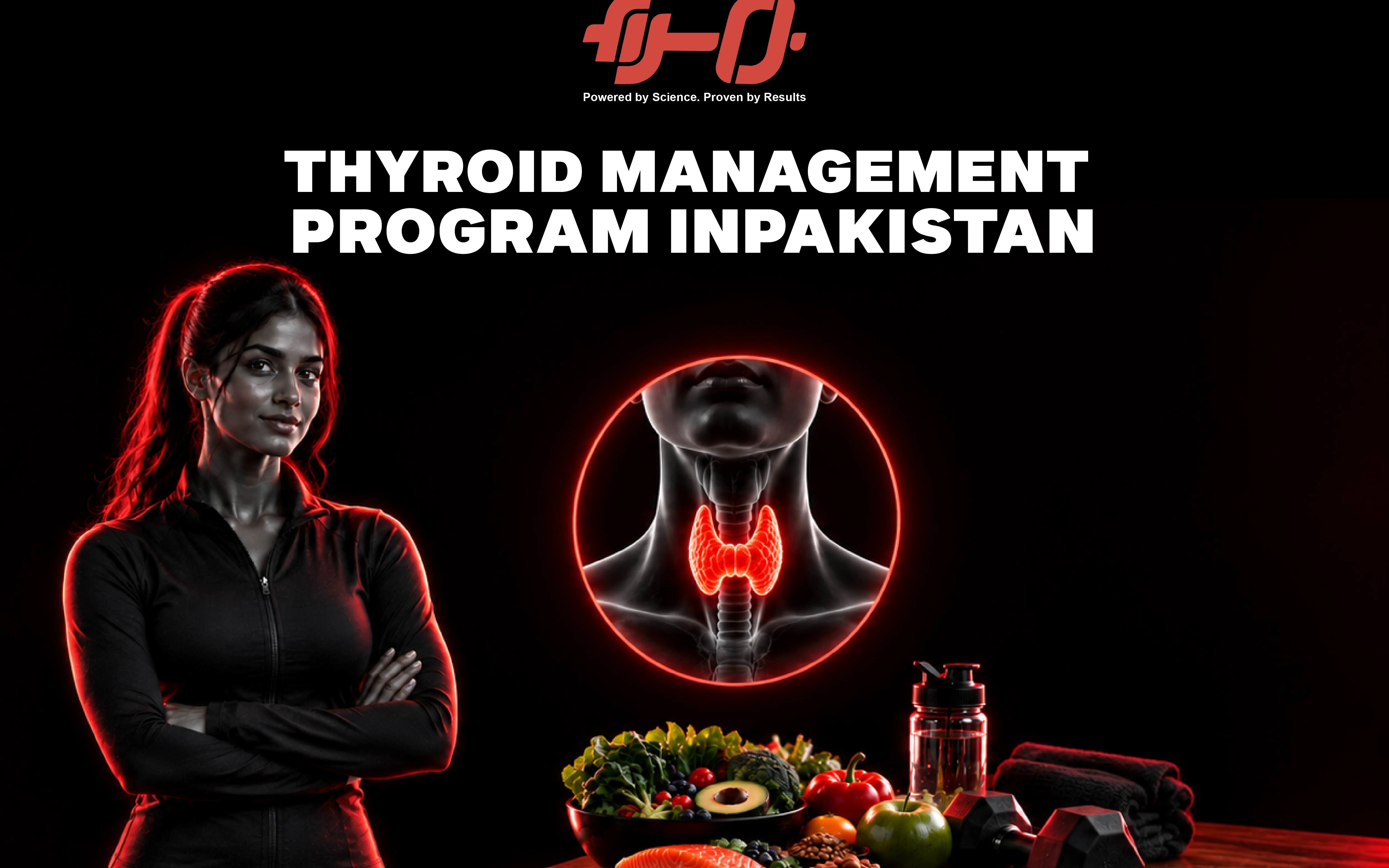
The thyroid is a small, butterfly-shaped gland at the base of the neck. It produces hormones that regulate metabolism: how your body uses energy, maintains temperature, and controls heart rate, digestion, and mood.
• Hypothyroidism: the thyroid produces too little hormone, slowing metabolism.
• Hyperthyroidism: the thyroid produces too much hormone, speeding metabolism.
• Hashimoto's thyroiditis: an autoimmune condition and the most common cause of hypothyroidism.
Common Symptoms of Hypothyroidism
• Persistent tiredness and low energy
• Weight gain or difficulty losing weight
• Sensitivity to cold
• Hair thinning and dry skin
• Constipation
• Low mood or brain fog
• Irregular or heavy periods
• Muscle aches and joint stiffness
These symptoms overlap with many other conditions, so a doctor typically orders blood tests, such as TSH, free T4, and sometimes thyroid antibodies, for diagnosis.
Why Thyroid Problems Make Weight Management Harder
An underactive thyroid lowers your resting metabolic rate, meaning your body burns fewer calories at rest. Fatigue can also reduce physical activity, and some people experience fluid retention that adds to scale weight. This does not mean weight loss is impossible. It means the approach must be more deliberate, and expectations should be realistic.
Thyroid medication, such as levothyroxine, prescribed by your doctor, is the foundation of treatment. Lifestyle strategies support it but never replace it.
Nutrition for Thyroid Health
A thyroid-friendly diet plan focuses on nourishment, steady energy, and avoiding extremes.
Key principles
• Adequate protein from eggs, chicken, fish, daal, and yogurt supports muscle and metabolism.
• High-fiber foods such as vegetables, oats, and legumes help with digestion and constipation.
• Whole grains in sensible portions, including whole wheat roti, rather than refined flour.
• Sources of selenium and zinc, such as eggs, fish, and nuts, support thyroid function.
• Adequate iodine, typically from iodized salt, which is widely used in Pakistan. Avoid high-dose iodine supplements unless prescribed.
• Limit sugar, fried foods, and ultra-processed snacks, which contribute to weight gain and low energy.
Medication and food timing
Levothyroxine is usually taken on an empty stomach, with food, coffee, calcium, and iron supplements delayed by a period your doctor will specify, because they can reduce absorption. Always follow your physician's instructions.
A note on cruciferous vegetables
Foods like cauliflower, cabbage, and broccoli are sometimes labelled "bad" for the thyroid. In normal dietary amounts, and especially when cooked, they are generally safe for most people. Discuss concerns with your doctor rather than eliminating healthy foods unnecessarily.
Exercise for Thyroid Conditions
Regular activity improves energy, mood, insulin sensitivity, and body composition. A balanced plan includes:
• Strength training two to three times weekly to preserve and build muscle, which supports metabolism
• Daily walking or low-impact cardio to boost energy gradually
• Yoga or stretching to reduce stress and joint stiffness
• Gradual progression, particularly if fatigue is significant
Start modestly and increase intensity as your energy improves.
Lifestyle Factors That Matter
• Sleep: Aim for seven to eight hours nightly, since poor sleep worsens fatigue and appetite regulation.
• Stress: Chronic stress can aggravate symptoms, so build in relaxation and recovery time.
• Regular lab monitoring: TSH and related markers should be checked as advised so your medication dose stays appropriate.
• Consistency: Thyroid conditions are long-term, so sustainable routines outperform short bursts of effort.
Fitoo.pro Thyroid Programs
Note for review: The feature lists below are a typical structure. Please replace them with Fitoo's actual program components before publishing.
3-Month Thyroid Program
A foundational program to build healthy routines, improve energy, and begin sustainable weight management.
Program components:
• Thyroid-friendly nutrition plan
• Weight management strategy
• Exercise programming
• Lifestyle modification coaching
• Symptom tracking
• Lab report guidance
• Regular follow-ups
6-Month Thyroid Program
Our most comprehensive option, designed for long-term habit change and extended support as your body responds.
Program components:
• Thyroid-friendly nutrition plan
• Weight management strategy
• Exercise programming
• Lifestyle modification coaching
• Symptom tracking
• Lab report guidance
• Regular follow-ups
• Extended coaching and progress review
Because thyroid-related changes tend to be gradual, the longer program allows time to adjust nutrition and training as your energy and lab values evolve.
Common Mistakes to Avoid
1. Stopping or changing medication without medical advice
2. Crash dieting, which can lower energy and muscle mass further
3. Cutting entire food groups without a medical reason
4. Taking unregulated "thyroid detox" supplements
5. Expecting rapid weight loss, which can lead to discouragement
6. Skipping regular blood tests
Why Choose Fitoo.pro
Fitoo.pro builds thyroid-supportive plans around Pakistani food, family meals, and realistic routines. Regular follow-ups let your plan adapt as your energy, symptoms, and lab results change.
Frequently Asked Questions (FAQs)
1. Can I lose weight with hypothyroidism?
Yes. Progress may be slower, but a balanced diet, strength training, and good sleep can support steady weight loss when your condition is well managed medically.
2. Which foods should I avoid with a thyroid problem?
Most people do not need to avoid many foods. Limit sugar and processed items, and separate certain supplements and foods from medication as your doctor advises.
3. Is it safe to exercise with hypothyroidism?
Generally yes, and it is recommended. Begin gradually and consult your doctor if you have other conditions.
4. How often should thyroid levels be tested?
This depends on your treatment, but testing every few months after a dose change, then periodically, is common. Follow your physician's advice.
5. Can diet cure thyroid disease?
No. Diet and lifestyle support overall health but do not replace medical treatment.
Conclusion
Living with a thyroid condition is manageable with the right combination of medical care, personalized nutrition, structured exercise, and consistent support. If you want a plan built around your needs, consider joining Fitoo's 3-Month or 6-Month Thyroid Program.
Disclaimer: This article is for informational purposes only and is not medical advice. Please consult an endocrinologist or physician for diagnosis and treatment, and before changing medication, diet, or exercise.