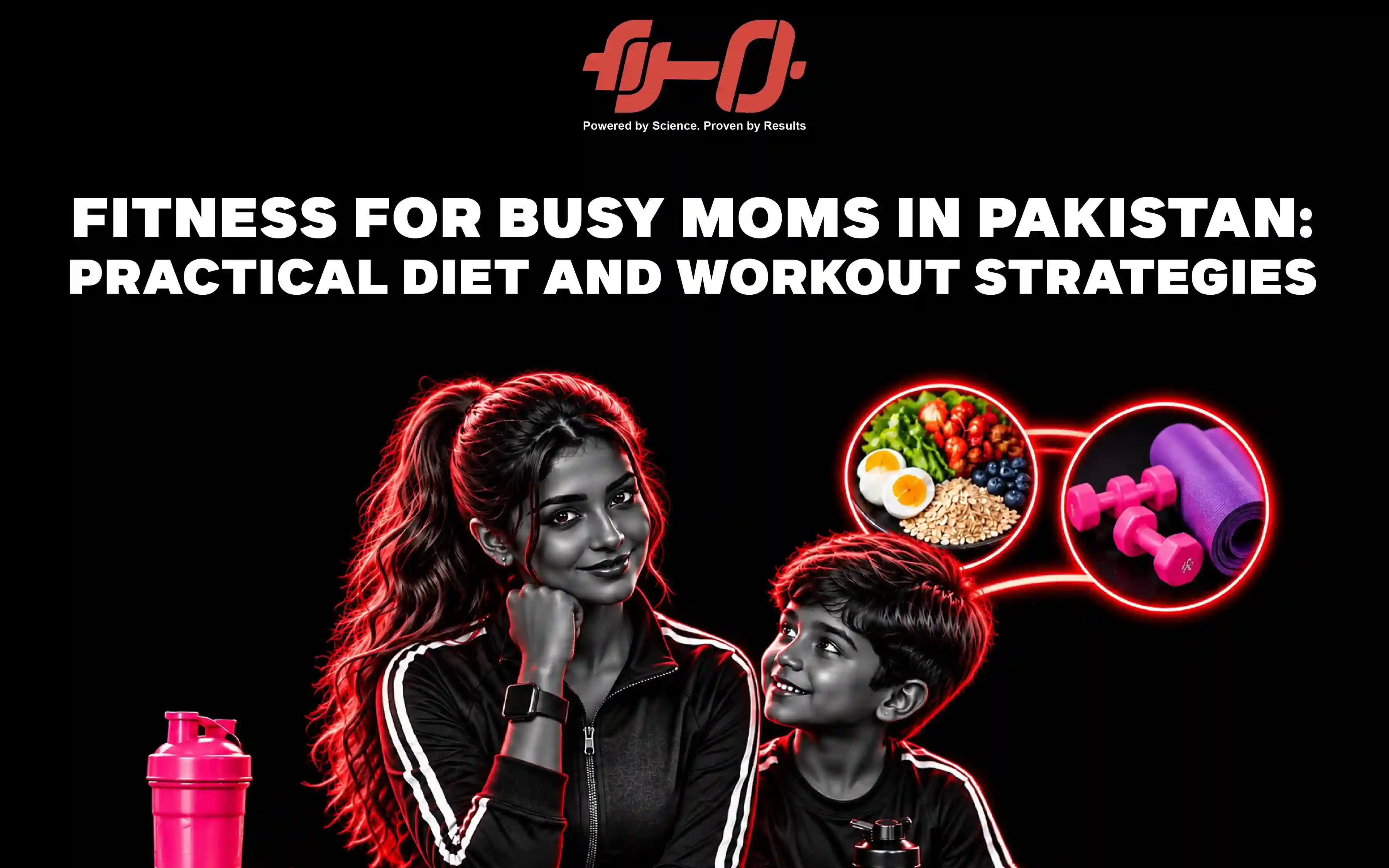
Fitness for Busy Moms in Pakistan: Practical Diet and Workout Strategies
If you are a mother in Pakistan, your day probably starts before everyone else's and ends after they are asleep. Between school runs, cooking, household responsibilities, work, and family expectations, your own health tends to land at the bottom of the list. Many mothers say the same thing: "I know what I should do, I just don't have the time or energy."
The good news is that you do not need two hours at the gym or a separate set of meals to improve your health. Small, consistent, well-planned changes outperform occasional bursts of extreme effort. At Fitoo.pro, we help women build realistic nutrition and fitness routines around the demands of motherhood. This article shares practical strategies for weight management, energy, strength, and wellbeing, designed for women with very little spare time.
Why Fitness Feels So Hard for Busy Moms
Understanding the obstacles is the first step to working around them:
• Time scarcity: Your schedule is shaped by everyone else's needs.
• Fatigue and broken sleep: Especially with babies and young children, rest is often limited.
• Family meals: Cooking separate "diet food" is rarely realistic.
• Mom guilt: Spending time on yourself can feel selfish, even though it benefits the whole family.
• Hormonal changes: Pregnancy, breastfeeding, and perimenopause can affect weight, energy, and appetite.
• Limited access to gyms or childcare: Many women exercise at home, often with children nearby.
• Conditions that go undiagnosed: Thyroid issues, PCOS, anaemia, and vitamin D deficiency are common and can cause tiredness and weight changes.
A Note on Postpartum Recovery
If you have recently given birth, your body needs time to heal. Before starting structured exercise, get clearance from your doctor or gynecologist, typically at your postpartum check-up, and longer if you had a C-section or complications. Early on, gentle walking, pelvic floor activation, and light mobility work are common starting points.
If you are breastfeeding, your body needs adequate energy and nutrients. Avoid aggressive calorie restriction or crash diets, as they can affect energy, recovery, and milk supply. Aim for gradual, nourishing progress and follow your doctor's guidance.
Nutrition Strategies for Busy Moms
1. Build Family-Friendly Meals, Not Separate Diet Meals
The most sustainable approach is adjusting what the family already eats. Instead of cooking twice, modify portions and pairings:
• Serve more sabzi and salad alongside roti, and reduce rice or roti portions rather than eliminating them
• Add protein to every meal, such as eggs, daal, chicken, fish, yogurt, or paneer
• Cook with less oil, using methods like baking, grilling, or shallow cooking where practical
• Keep fried foods and sweets as occasional items, not daily habits
2. Prioritize Protein
Protein improves fullness, protects muscle, and supports energy. Many busy mothers under-eat protein at breakfast and lunch and then overeat at night. Easy options include boiled eggs, yogurt, roasted chana, peanut butter on whole wheat bread, and leftover daal or chicken.
3. Plan Simple Meals Ahead
A little preparation saves enormous time:
• Boil eggs, soak chana, or chop vegetables in advance
• Cook larger batches of daal, chicken, or curry and portion them
• Keep healthy snacks visible and accessible, such as fruit, nuts, and yogurt
• Plan the week's dinners on one day
4. Stop Eating Children's Leftovers Unconsciously
Finishing a child's plate or snacking while cooking adds up. Serving yourself a proper meal and sitting down to eat, even briefly, often reduces mindless eating.
5. Watch Sugar and Chai
Sweet chai throughout the day can quietly add significant calories and sugar. Gradually reducing sugar is easier and more sustainable than stopping suddenly.
A Sample Busy Mom Day (Desi Style)
This is an illustrative example only. Portions and needs vary, especially if you are pregnant, breastfeeding, or managing a medical condition.
Meal
Example
Breakfast
Egg omelette with one whole wheat roti and a glass of milk or tea
Mid-morning
Fruit and a handful of nuts
Lunch
Daal or chicken, sabzi, salad, a moderate portion of roti or rice
Afternoon snack
Roasted chana or yogurt
Dinner
Fish, chicken, or paneer with vegetables and a small portion of roti
Workouts That Fit a Mom's Schedule
You do not need an hour. Short, focused sessions are effective and far easier to maintain.
The 20-Minute Approach
Even 15 to 20 minutes, three to four times weekly, can improve strength and fitness when sessions are structured. A simple home routine may include:
• Squats or sit-to-stands
• Glute bridges
• Incline or wall push-ups
• Rows using a resistance band or backpack
• Planks or modified core work
• Brisk walking or stair climbing between strength rounds
Smart Ways to Add Movement
• Walk with the stroller or take the children to the park
• Exercise while children play or nap
• Do short "movement snacks" of five to ten minutes throughout the day
• Involve the kids with family walks, dance, or simple games
• Take the stairs and walk during phone calls
Why Strength Training Matters
Strength training builds muscle, improves posture, supports metabolism, reduces back pain from lifting children, and helps with long-term bone health. Even two short sessions per week, with gradual progression, make a difference.
Sleep, Stress, and Energy
You cannot out-train exhaustion. Where possible:
• Sleep when the baby sleeps, if feasible
• Share nighttime or household duties with your partner or family
• Reduce screen time before bed
• Build small recovery moments into the day, such as a short walk or quiet tea break
• Seek support if you feel persistently overwhelmed, anxious, or low, as postpartum depression and anxiety are real medical conditions that deserve care
Health Checks Worth Considering
Persistent tiredness, hair fall, or difficulty losing weight may have medical causes. Ask your doctor about testing for:
• Thyroid function
• Iron, hemoglobin, and ferritin (anaemia is common among women in Pakistan)
• Vitamin D and vitamin B12
• Blood sugar
Addressing these can improve energy and make fitness efforts more effective.
Common Mistakes Busy Moms Make
1. Skipping meals, then overeating later
2. Crash dieting, which drains energy and is hard to sustain
3. Waiting for the "perfect" time to begin
4. Doing only cardio and neglecting strength training
5. Comparing yourself to people without similar responsibilities
6. Ignoring sleep and stress
7. All-or-nothing thinking: missing one workout does not erase your progress
Simple Habits to Start This Week
1. Add protein to breakfast
2. Take a 10-minute walk daily
3. Replace one sugary drink or snack with a healthier option
4. Prepare one meal component in advance
5. Do a 15-minute home workout twice this week
6. Drink water consistently
7. Protect your sleep as much as possible
Why Choose Fitoo.pro
Fitoo.pro understands that a mother's routine is unpredictable. Our approach is built on personalized nutrition, realistic exercise programming, and ongoing coaching that adapts to your schedule, your family's meals, and your stage of motherhood. With regular follow-ups and progress tracking, your plan can change as your life does.
Frequently Asked Questions (FAQs)
1. How can I lose weight if I have no time to exercise?
Focus on nutrition first, then add short workouts and daily walking. Even 15 to 20 minutes of structured exercise a few times weekly, combined with better eating habits, can produce meaningful results.
2. Is it safe to diet while breastfeeding?
Aggressive dieting is not recommended. A gradual, nourishing approach with adequate protein and calories is safer. Consult your doctor or a qualified professional for personal guidance.
3. When can I start exercising after delivery?
This depends on your delivery type and recovery. Most women are advised to wait for their doctor's clearance, often around six weeks for vaginal delivery and longer after a C-section or complications, then progress gradually.
4. Can I cook one meal for the whole family and still lose weight?
Yes. Adjust portions, add protein and vegetables, and reduce oil and refined carbohydrates. You do not need a separate diet menu.
5. Why am I always tired even when I eat well?
Poor sleep, stress, and nutritional deficiencies such as low iron or vitamin D can contribute. Speak to your doctor about relevant tests.
6. Do I need a gym membership?
No. Effective home workouts need little or no equipment, and you can progress with resistance bands, light dumbbells, or household items.
Conclusion
Taking care of yourself is not selfish. It gives you the energy, strength, and health to care for the people you love. You do not need perfection or hours of free time, only a realistic plan, steady habits, and support. If you are ready for guidance built around your life as a mother, explore what Fitoo.pro can do for you.
Disclaimer: This article is for informational purposes only and is not medical advice. Consult your doctor or a qualified professional before starting a new diet or exercise program, especially if you are pregnant, postpartum, breastfeeding, or managing a medical condition.